
Ihre Ansprechperson: Arjeta · Swiss Vibes travel expert for Teneriffa
**Anaga Mountains.** The north-east is a UNESCO biosphere reserve with a laurel forest that has survived from the Tertiary period. The hiking trails begin at viewpoints such as Cruz del Carmen and lead among moss, ferns and plants found only in the Canary Islands. Mist often lies in the forest, which makes it look enchanted. Take a rain jacket and stay on the marked path when visibility is poor. The best time is spring.
**Taganana.** The village lies remote on the north coast behind the Anaga Mountains. The road winds down in many bends. In the village stand a church and houses made of basalt, and below lies a black beach with waves that are suitable for swimming only when the sea is calm. Walk the village lanes on foot. In autumn and spring it is mild.
**Masca.** The mountain village lies in a deep gorge in the Teno Mountains. The road down is narrow, and hire cars should be considerate and wait at the passing places. The route through the gorge to the sea was popular for a long time, but regulations apply to access, so find out in advance. In spring the valley is green, and in high summer the heat builds up between the rock walls.
**Garachico.** The village's harbour was buried under lava by a volcanic eruption in 1706, and since then there have been natural sea-water pools in the rocks. You can swim in the pool there when the sea is calm. In the village stand buildings from before the eruption, and it is quiet in the lanes. It is livelier at the weekend, and the best times are spring and autumn.
**Icod de los Vinos and the dragon tree.** In Icod stands an ancient dragon tree, the emblem of the Canary Islands, with an umbrella-shaped crown of thick branches. It stands in the village centre in a small park that you reach on foot. Dragon trees grow slowly, and the sap turns red when the bark is scratched. The area is known for wine, which thrives on the slope in volcanic soil.
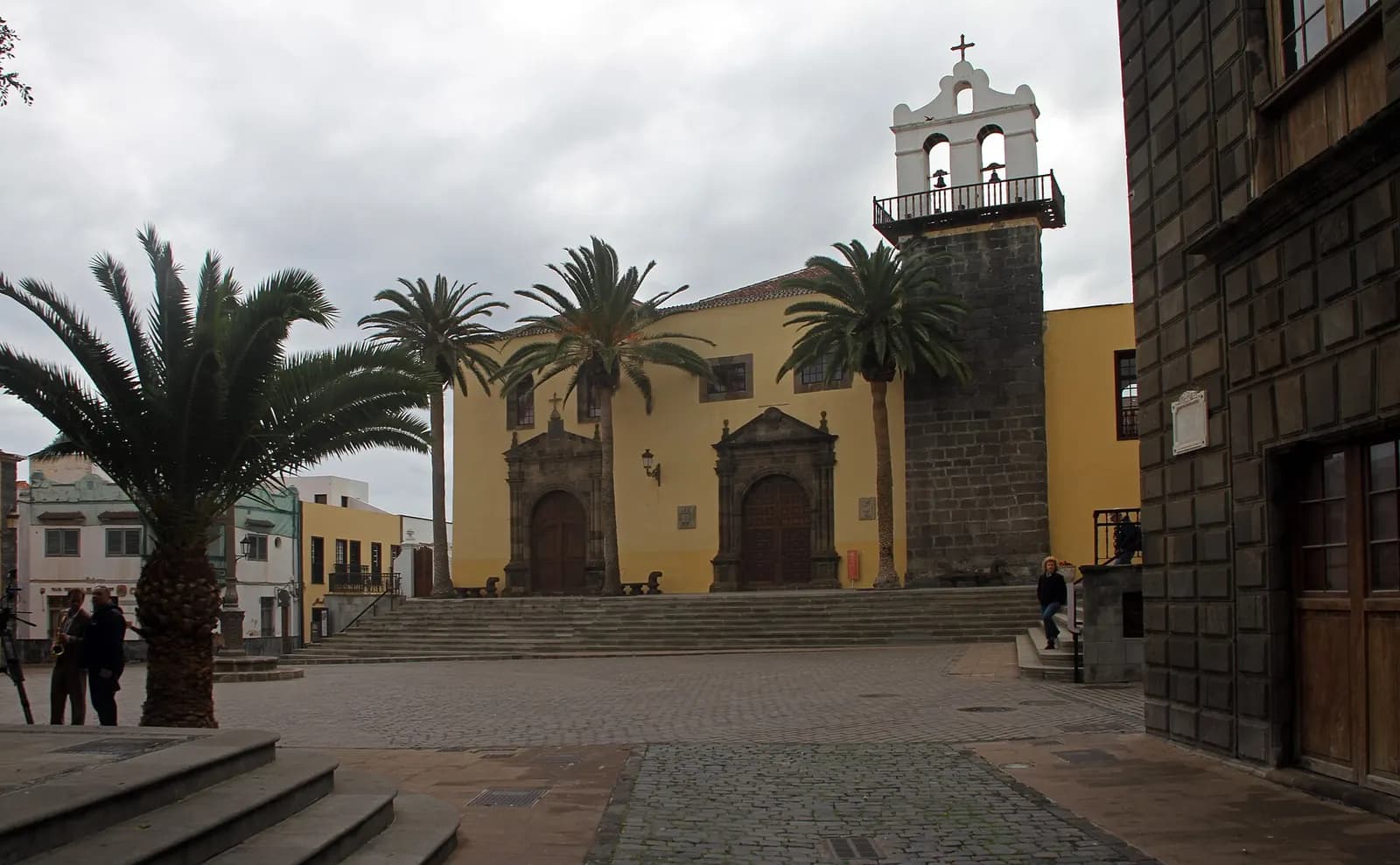
**La Orotava.** The town in the north has a historic centre with wooden balconies and houses from the 16th to 18th centuries. A special feature is the Corpus Christi carpet of flowers and volcanic sand that is created on streets and squares in early summer, with residents laying the carpets by painstaking handwork. The town lies on a slope, and you walk on foot. In May and June it is especially festive.
Experience Teneriffa
**Teide National Park.** At over 3,700 metres, the Teide volcano is the highest mountain in Spain and belongs to the UNESCO World Heritage. A cable car leads to a great height, and a permit is required for the summit. Hiking trails around the mountain lead through lava fields and coloured rock formations. The high plateau around the mountain looks like a lunar landscape, and at night the starry sky is unusually clear. Take warm clothing, as it is cool up there even in summer.
**Punta de Teno and Buenavista.** The far north-west is less touristy. In the village of Buenavista stand banana plantations, and the road to Punta de Teno leads to a lighthouse by the sea, with a view of the steep cliffs of Los Gigantes. Access is regulated at times, so find out before the drive. You walk the last few metres on foot, so keep your distance from the cliffs. Spring and autumn are good times.
**Barranco del Infierno.** A gorge in the south near Adeje that leads to a waterfall. Access is restricted, and you book your time slot in advance. The route leads along a path through rocks and plants, and at the top it ends at a pool with the waterfall. A good time is spring and autumn, and after heavy rain the stream carries more water.
**Los Gigantes.** The steep cliffs on the west coast drop several hundred metres into the sea and can be seen from a small harbour. They look especially impressive from the sea, and in the sea between Tenerife and La Gomera live dolphins and pilot whales. In the evening they turn yellow and orange. You come by car or bus, and walks along the coast are most pleasant in the early evening.
**Getting there from Switzerland.** Tenerife is served from Zurich, Basel and Geneva, direct or with a change depending on the season. For the north and the mountains, choose a hire car. A visit is worthwhile in spring, when the Teide still carries snow and the north is green.
Frequently asked questions
Where is Tenerife green?
In the north, above all in the Anaga Mountains and in the Teno Mountains around Masca.
Do I need a permit for the summit of the Teide?
Yes, a permit is required for the summit itself, which you apply for in advance.
When is the best time to travel to the north?
In spring and autumn, when the landscape is green and it does not get too hot.
 Culture & Cuisine
 Party & Nightlife
 City Break
 Golf
 Family
 Bachelor Trips
 Corporate
 Women Only
 Solo