
Ihre Ansprechperson: Arjeta · Swiss Vibes travel expert for Palma Mallorca
**Cap de Formentor.** The narrow road to the lighthouse at the island's northernmost tip passes viewpoints such as the Mirador des Colomer, where the cliffs fall steeply into the sea. You drive a hire car or cycle and stop at the small coves. If you want to enjoy the route without oncoming traffic, set off early in the morning or in the late afternoon. The best times are May, June and September, when fewer coaches are on the road.
**Torrent de Pareis near Sa Calobra.** The road to Sa Calobra winds down in hairpin bends, and at one point it even crosses over itself in a knot. At the bottom, the narrow gorge of the Torrent de Pareis flows into the sea, and you can swim from the pebble beach in front of it. Walking through the gorge is advisable only in dry weeks and with some experience, as the water rises quickly when it rains. Spring and autumn are the most pleasant.
**Sa Foradada.** You reach the peninsula with the natural rock opening on foot, along a path that leads from the coastal road near Deià through scrub and pine trees. In the 19th century the land belonged to the estates of Archduke Ludwig Salvator, who wrote extensively about the Balearic Islands. At the bottom there is a small landing stage for sailors. In summer, bring water and sun protection, as shade is scarce. Spring or the late afternoon are best.
**Deià and Cala Deià.** The village clings to the slope beneath the mountain Puig des Teix, and the English poet Robert Graves lived here and is buried in the village cemetery. A steep footpath or a winding road leads to the small rocky cove of Cala Deià. Access to the water is over stones and rock slabs, and water shoes help. In May and October the cove is usually almost all yours.
**Footpath from Deià to Sóller.** A section of the long-distance trail GR 221, the Ruta de Pedra en Sec, leads through olive groves and holm oak forests, past old dry-stone terraces, towards Sóller. In the Sóller valley, oranges and lemons grow, and in the village you can get freshly squeezed juice. The historic wooden train runs back to Palma, and the tram runs to the harbour. The walk is best from October to May.
**Pollença and the Calvary.** In Pollença, 365 steps lined with cypresses lead up to the chapel on the Calvary hill, and the view reaches as far as the Bay of Pollença. The village is easy to explore on foot, and a market takes place on Sundays. For the climb, the morning hours in spring and autumn are worthwhile, while in high summer the heat builds up between the walls.
Experience Palma Mallorca
 Hotel
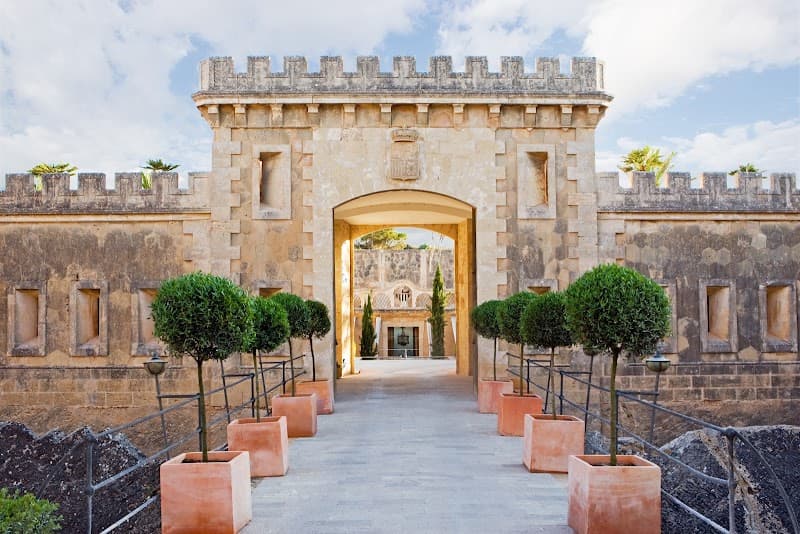
Cap Rocat
Luxe, bayfront hotel set in a former fortress offering a spa, dining, an infinity pool & a beach.
 Hotel
Can Ferrereta
Posh hotel in a 17th-century mansion with refined quarters & restaurant/bars, plus a spa & a pool.
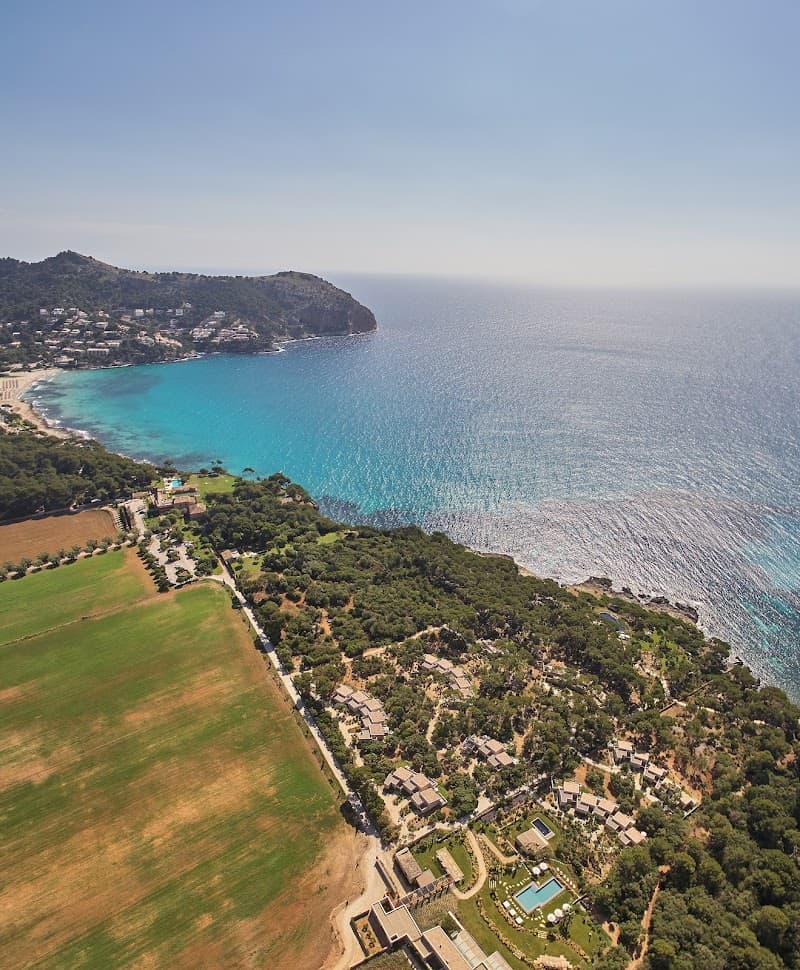 Hotel
Pleta de Mar, Luxury Hotel by Nature
Rustic-chic suites in a refined seafront hotel offering a restaurant, a spa & an outdoor pool.
 Experience
Breogán Cocina Gallega
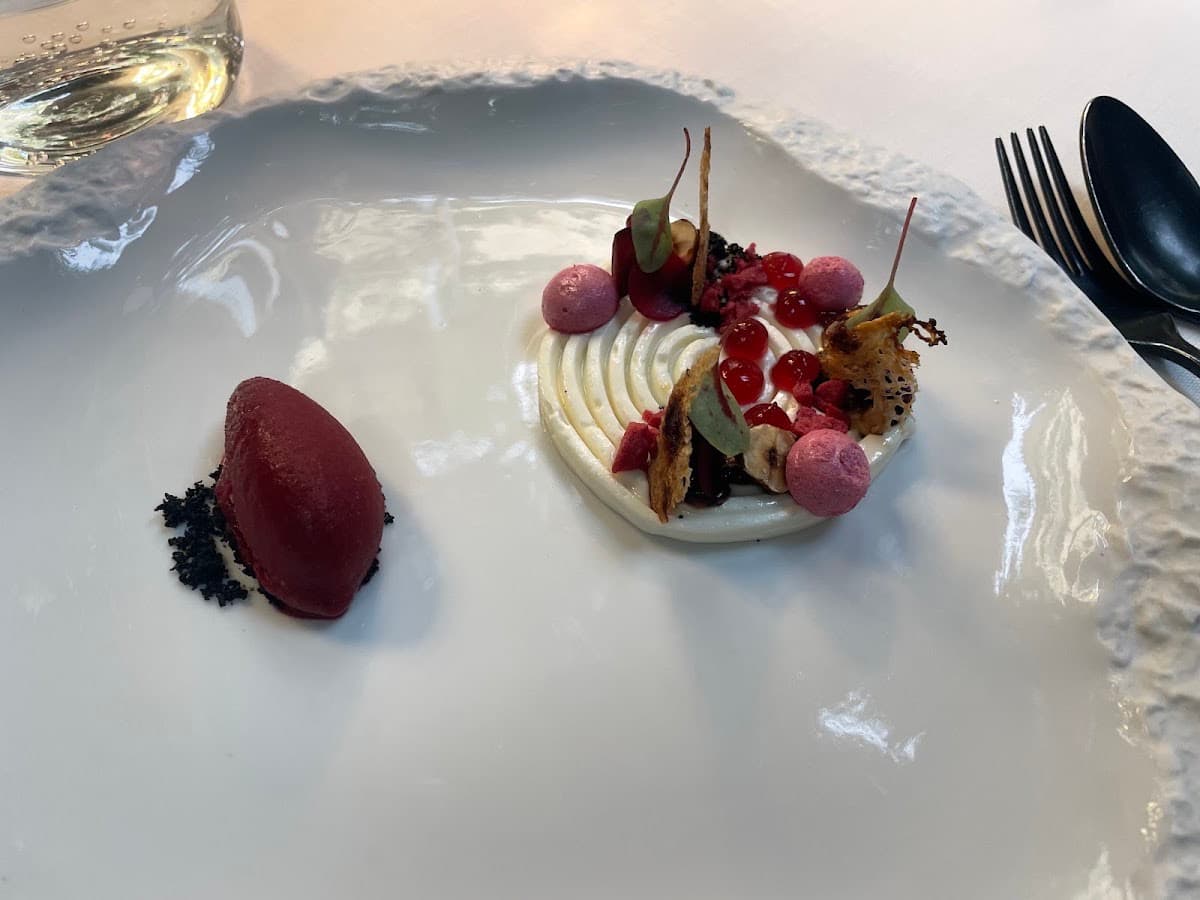 Experience
Fera Palma Restaurant
 Experience
Golf Son Gual Mallorca
Exclusive 385-acre, 18-hole golf course with a clubhouse & Mediterranean terrace restaurant.
**Cala Torta near Artà.** The long, barely developed beach in the north-east lies behind dunes and juniper and is part of the nature park of the Llevant peninsula. There are hardly any rows of sun loungers. You drive to a car park and walk the rest on foot. In the weeks of high summer it gets busier, while in June and September you easily find space to spread out, and only the wind can blow strongly.
**Ses Païsses and Castell de Capdepera.** The talayotic settlement of Ses Païsses near Artà dates from the Bronze and Iron Ages, and the walls of huge stone blocks are still standing. From there it is not far to the castle wall of Capdepera, which towers over the village and looks far out to sea. Both places can be combined in half a day by car. Spring brings green fields and mild temperatures.
**Lluc Monastery.** The monastery in the Tramuntana is the island's most important pilgrimage destination and houses the Black Madonna, La Moreneta. The boys' choir Els Blauets also sings there. Several walking trails of different lengths start from Lluc, and there is parking on site. In winter the wind brings cool days and the peaks are often in cloud, while spring and autumn are ideal.
**Platja de Formentor and Port de Pollença.** On the way to the cape you stop at Platja de Formentor, a sheltered pebble beach among pine trees. You park by the road and walk a few steps. In neighbouring Port de Pollença there is a long promenade without high-rise buildings, and in the evening the locals go for a stroll there. May and October bring calm, along with a clear, mild light.
**Getting there from Switzerland.** You can reach Palma de Mallorca from Zurich, Basel or Geneva, either directly or with a connection depending on the season. A hire car is worthwhile for the north, as the bus does not go everywhere. On the mountain roads of the Tramuntana, you drive without time pressure. When planning your days in the north, Swiss Vibes can help you by video call.
Frequently asked questions
Where are the quietest places on Mallorca?
In the north-east near Artà with Cala Torta, and in the Tramuntana away from the large car parks, especially in spring and autumn.
Do I need a hire car on Mallorca?
For Formentor, Sa Calobra and the villages in the north, yes, as public transport does not reach every place.
When is the best time for the Tramuntana?
From April to June and from September to October, with mild temperatures and less activity than in high summer.
 Culture & Cuisine
 Party & Nightlife
 City Break
 Golf
 Family
 Bachelor Trips
 Corporate
 Women Only
 Solo