Ihre Ansprechperson: Arjeta · Swiss Vibes travel expert for Dhigurah
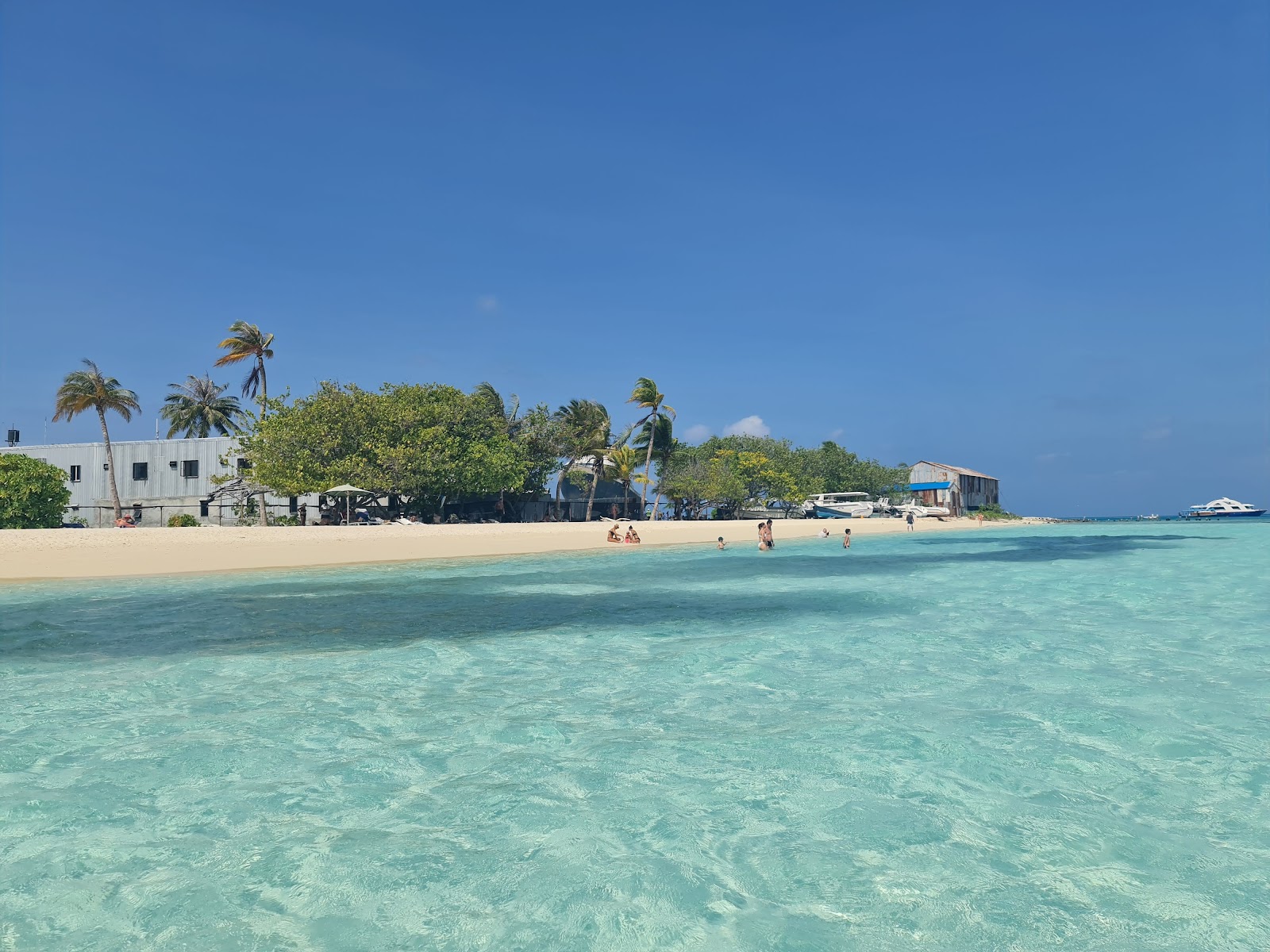
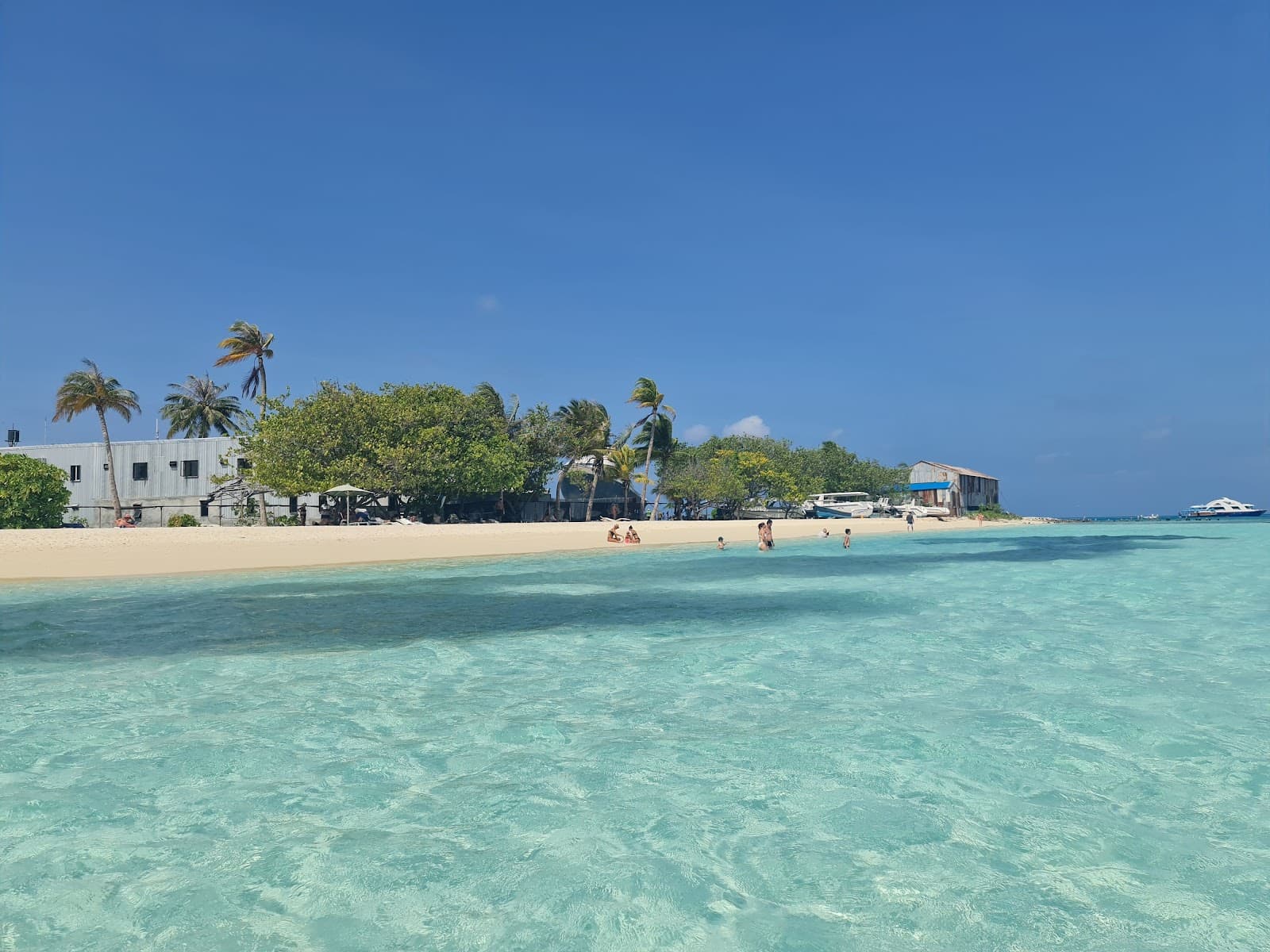
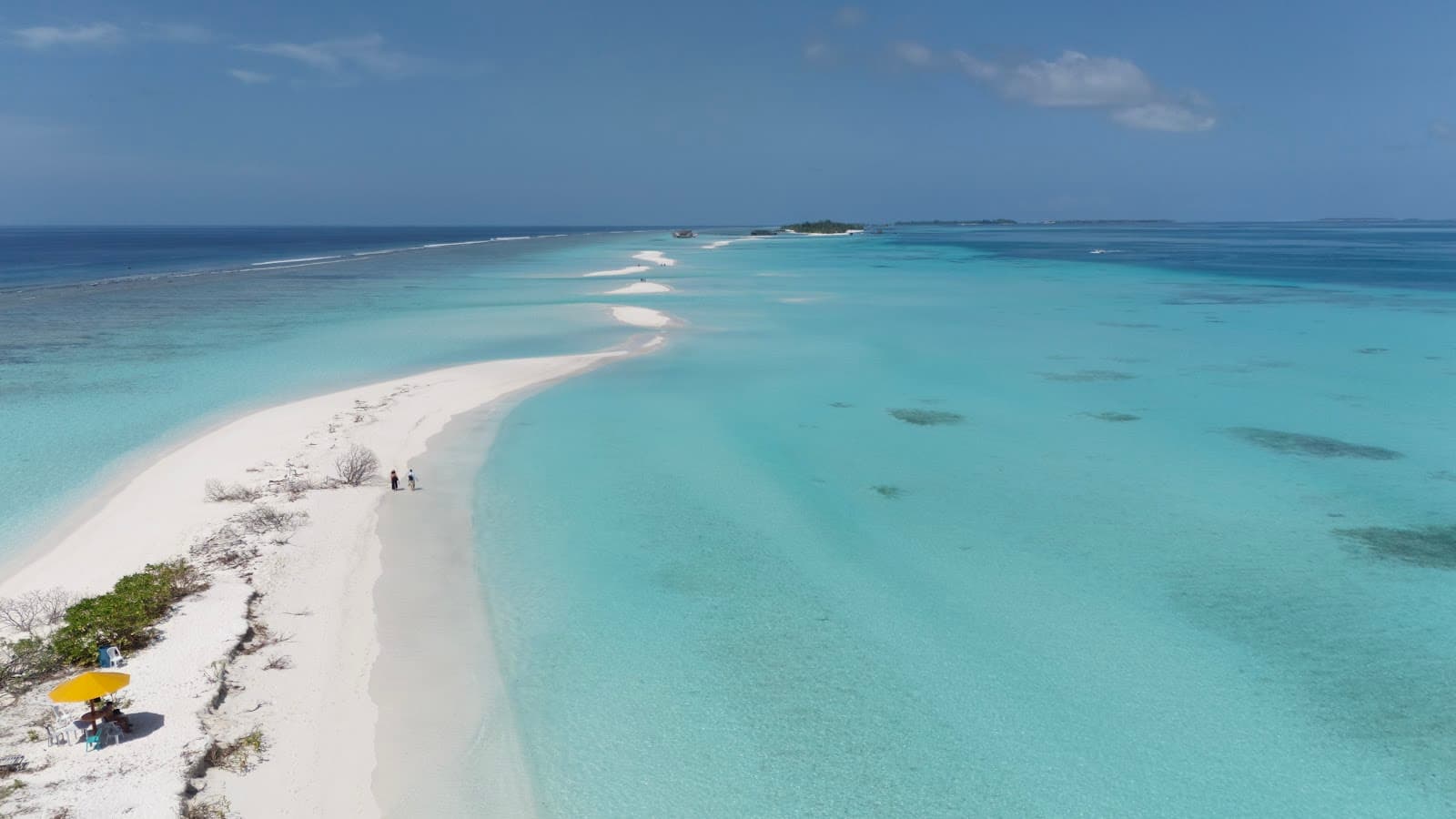
**Dhigurah.** The narrow island in South Ari Atoll is around three kilometres long and ends at its tip in a sandbank that grows at low tide. Whale sharks are sighted in the water off the island almost all year round, although an encounter is never guaranteed. You reach the island by speedboat or by domestic flight and boat transfer. The calmest time for snorkelling is November to April. In the village you stroll along sandy paths past small shops and the mosque, and on the eastern edge lies a long, almost deserted beach.
**Hanifaru Bay.** The bay in Baa Atoll is part of a UNESCO biosphere reserve. From May to November, manta rays and whale sharks gather here at full and new moon, because currents drive the plankton into the bay. Access is regulated, the number of snorkellers is limited and the time in the water is short. You travel via the guest islands of Baa Atoll and go out by boat. Rangers set the distance and length of stay so that the animals can feed undisturbed. Plan your trip around the lunar calendar and allow for waiting times if the weather does not cooperate.
**Fuvahmulah.** The island forms an atoll all by itself and lies just south of the equator. It has freshwater lakes, marsh and dense vegetation, which is rare in the Maldives. Tiger sharks live in the sea off the island, which is why experienced divers come here. You fly from Malé and get around on site by bicycle or scooter. Life is unhurried. Bananas, mangoes and taro grow on the island, which is otherwise hardly possible on pure coral sand.
**Thoddoo.** The island in Ari Atoll is an agricultural island where watermelons, papayas and chilli grow. You cycle between the fields and can buy fruit directly from the farmers. On the edge of the island there is a house reef for snorkelling. The crossing from Malé is by speedboat, and the melon harvest falls in the dry months. Part of the harvest goes by boat to the markets of the capital.
**Maafushi.** On this island in Kaafu Atoll, the first guesthouses in the Maldives were established after the state allowed accommodation on inhabited islands. There is a bikini beach for guests, and modest dress applies in the village. From here you can book snorkelling trips to reefs and sandbanks. You get there by speedboat or public ferry from Malé. It is most pleasant from December to April. Cafés and diving centres line the main street, and the village is a good introduction to the islands.
Experience Dhigurah
 Hotel
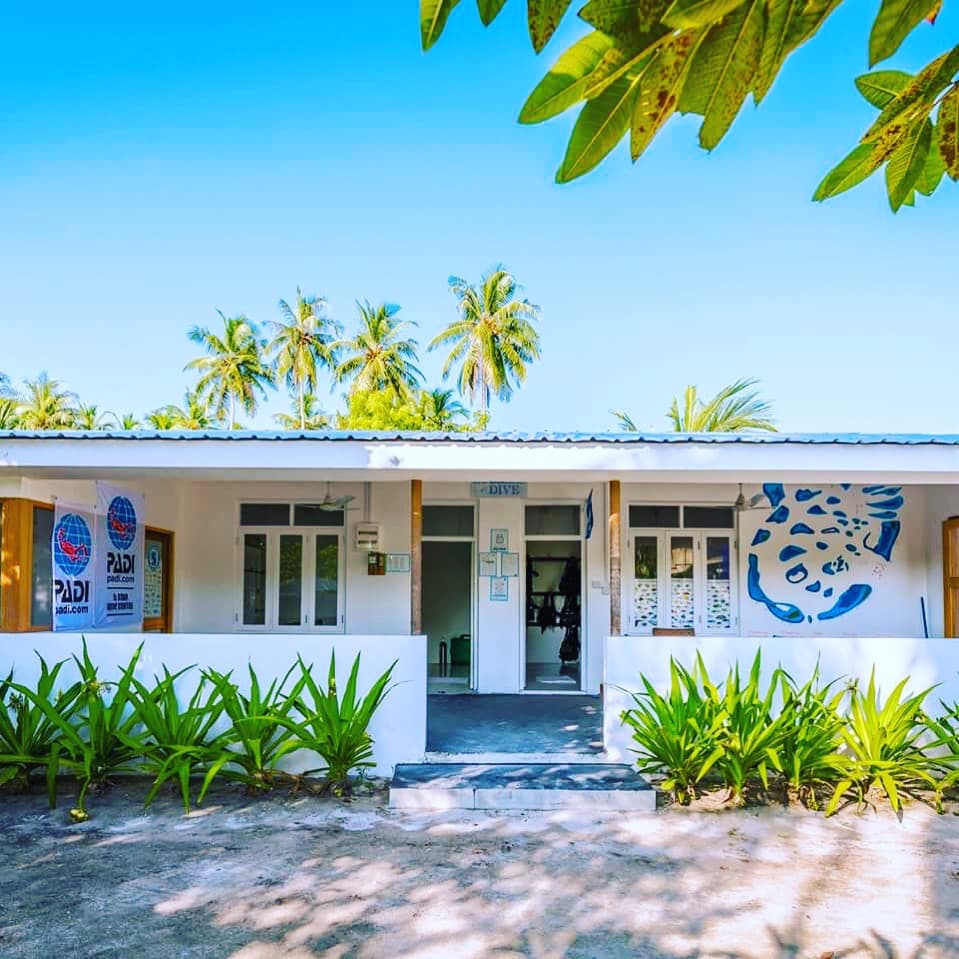
Boutique Beach All Inclusive Diving Hotel
Relaxed, all-inclusive guesthouse offering rooftop dining, dive trips & a private white-sand beach.
 Hotel
Seaside Dhigurah
 Hotel
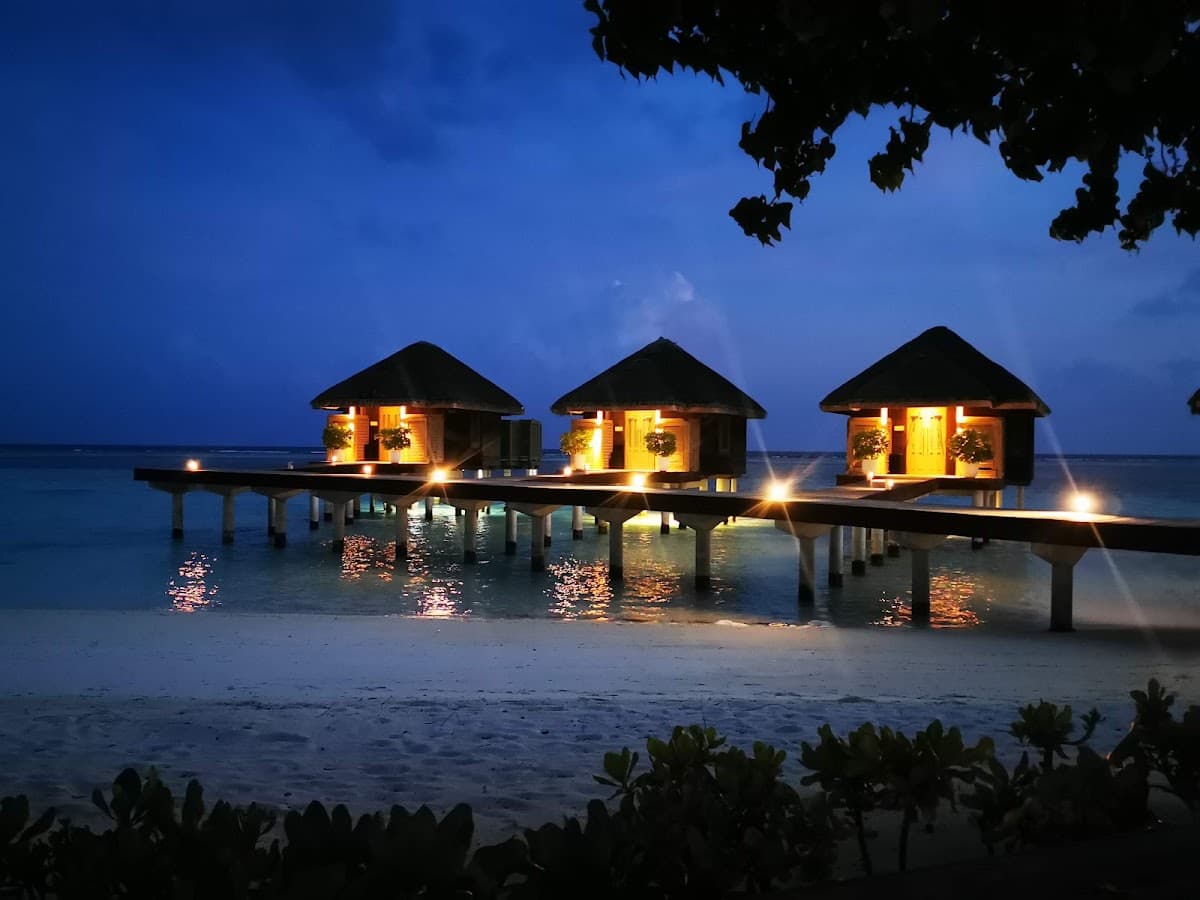
LUX South Ari Atoll
Bright thatched villas, some with pools, in a plush resort offering 7 restaurants, 6 bars & a spa.
 Experience
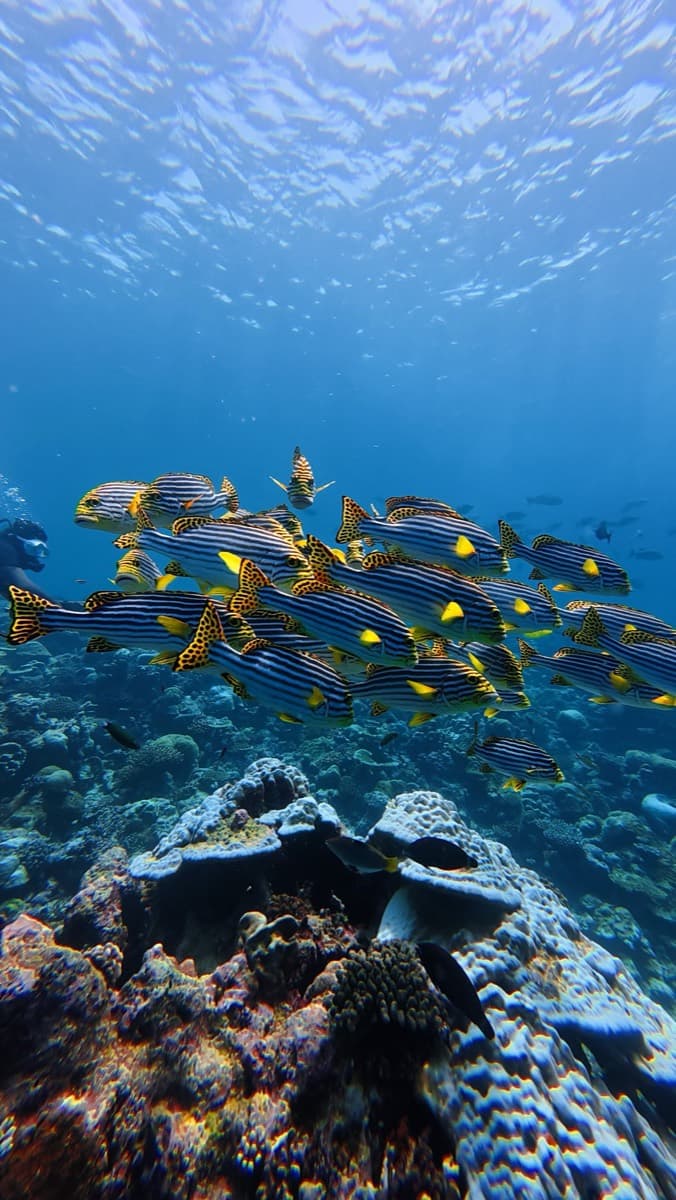
Maldives Dhigu Divers
 Experience
Dive Bro’s Dhigurah
 Experience
Best Dives
**Fulidhoo.** The small island in Vaavu Atoll has sandy paths instead of asphalt, colourful houses and a lively house reef. In the shallows you see rays and small sharks. In the evening, villagers sometimes play bodu beru drum music, which is part of the islands' heritage. You reach Fulidhoo by speedboat or public ferry. The dry season is best. The residents live from fishing, and freshly caught tuna ends up on the table in the village almost daily.
**Addu Atoll.** The southernmost atoll has a long road connecting several islands, so you get around by bicycle or scooter. On the island of Gan, buildings recall the British military base that existed there until 1976. The reefs are less visited than in the north. You fly from Malé. The best time to travel is November to April. Off the coast lies the wreck of an oil tanker from the Second World War, a well-known dive site.
**Food and daily life.** For breakfast there is mas huni, a mixture of tuna, coconut and onion with flatbread. At lunchtime, garudhiya often appears on the table, a clear fish soup with rice. The whole country lies barely two metres above sea level, making it the flattest in the world. On inhabited islands Islam is the state religion, alcohol is not available, and Friday is the most important day. In the afternoon, families serve hedhikaa, small fried snacks with fish and coconut.
**Getting there from Switzerland.** You fly to Malé, either directly or with a connection depending on the season, often via the Gulf region. From there you continue by speedboat, public ferry or domestic flight. Ferries do not run every day, so allow a buffer for connections. Advice from Swiss Vibes is provided by video call. Islands near Malé can be reached quickly, while remote atolls usually require a flight.
Frequently asked questions
Can I travel more cheaply in the Maldives?
On inhabited islands there are guesthouses, but the rules on alcohol and dress are stricter there.
When do I see manta rays in Hanifaru Bay?
Roughly from May to November, especially around full and new moon.
When is the best time to travel?
From November to April it is dry, while during the south-west monsoon from May to October there is more rain.
 Relax & Beach
 Island Dreams
 Wellness & Spa
 Luxury Travel
 Diving
 Honeymoon
 Halal Travel