
Ihre Ansprechperson: Arjeta · Swiss Vibes travel expert for Saas Fee
In Valais, Zermatt and Saas-Fee belong to the well-known part of the trip. If you want more, you will find masks, minerals, irrigation channels and vineyards at great altitude in the side valleys. Saas-Fee has its own travel guide; here the focus is on nine quieter places across the canton, reachable from Visp, Sion or Brig.
Lötschental. The valley is famous for the Tschäggättä, wooden masks with furs that parade through the villages at carnival. Kippel and Wiler lie on a sunny terrace between the glaciers; after the glacier collapse at Blatten in 2025, closures are possible, so check the situation beforehand. In winter it is quiet here, and in summer paths lead to alps and glacier views. Getting there: train to Goppenstein, then bus to Kippel. Best time: February for carnival or July to September for hiking.
Binntal. The nature park in the Goms is known for rare minerals found in the Lengenbach quarry. Several minerals were first described here, and collectors come from all over Europe. The village of Binn has narrow lanes, a wooden bridge and many hiking trails through larch forest. Getting there: train to Fiesch, then bus through the valley to Binn. Best time: June to September; in winter the valley is quiet and partly snowed in.
Ernen. The village in the Goms has a village square with old Valais wooden houses from the 16th and 17th centuries, with the Tell fountain in the middle. The ensemble is among the loveliest village scenes in the canton, and the beams have been burnt dark by the sun. In summer concerts take place, and paths run through meadows alongside. Getting there: train to Fiesch, then bus to Ernen (check the timetable beforehand). Best time: July and August for the music, September for clear air.
Visperterminen. The Heida vines grow here on terraces up to over a thousand metres in altitude and are regarded as one of the highest vineyards in Europe. The Heida Trail leads through vines and forest and opens up views of the Visp valley. The village lies high above Visp and feels far from the traffic in the valley. Getting there: train to Visp, then bus to Visperterminen. Best time: September and October for the harvest, when the vines are golden.
Experience Saas Fee
 Hotel
Boutique Hotel La Gorge & Restaurant Zer Schlucht
Laid-back hotel offering low-key quarters, some with kitchenettes, plus a sedate restaurant.
 Hotel
The Capra
Contemporary lodge offering chic suites, a polished restaurant & a spa, plus heated ski storage.
 Hotel
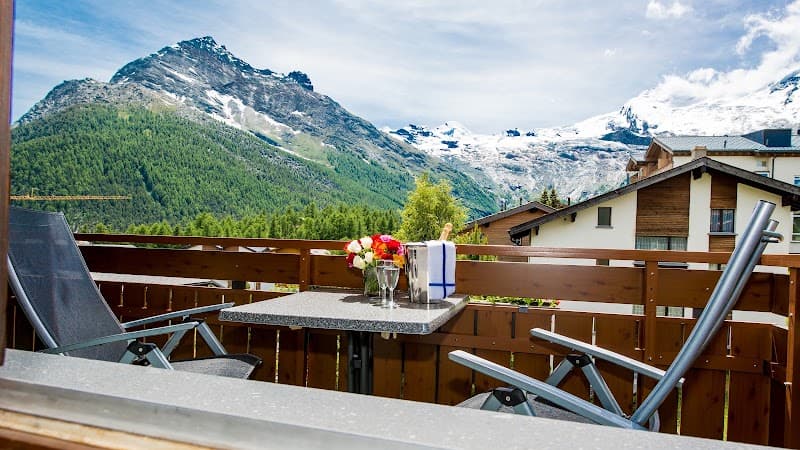
Hotel Etoile
Casual, alpine getaway offering mountain views & free breakfast, plus an eatery & a sauna.
 Experience
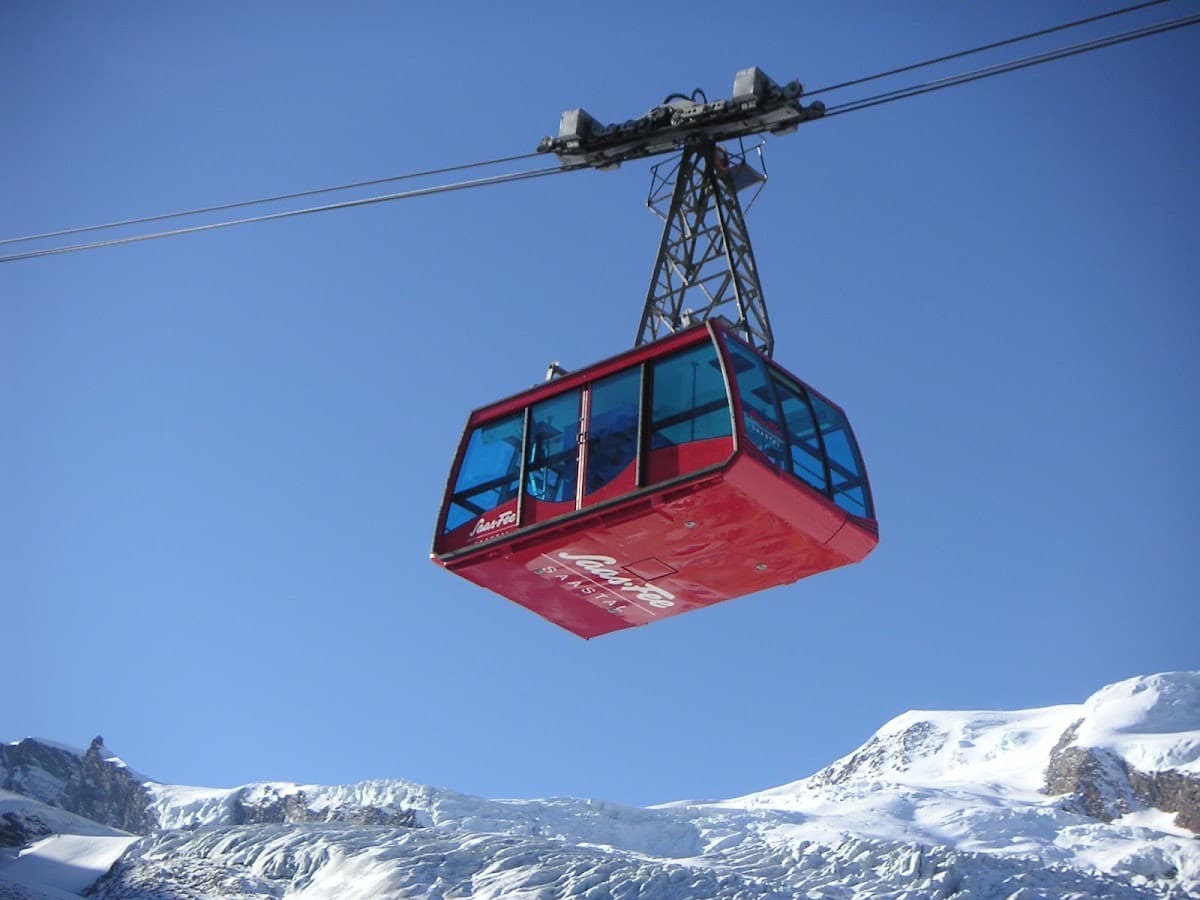
Metro Alpin Saas-Fee
 Experience
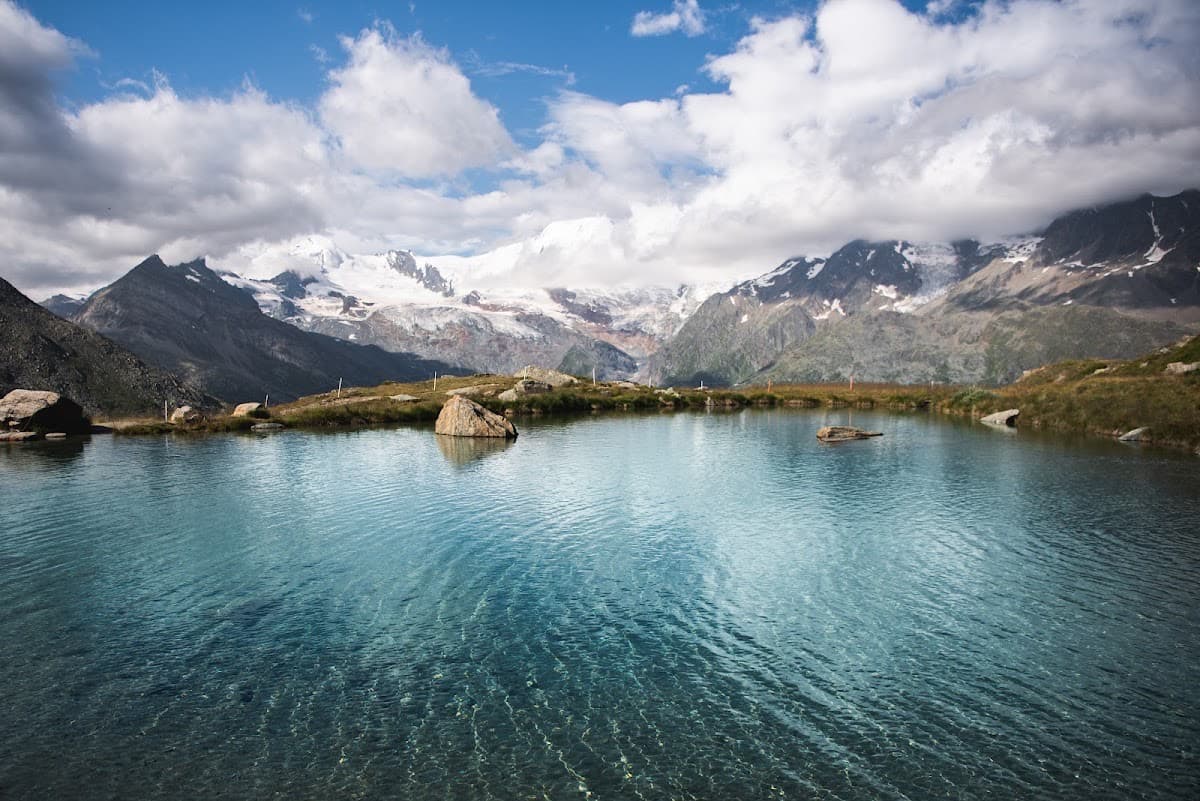
Felskinnbahn
 Experience
Bergbahnen Hohsaas
Sion and Valère. The fortified church on the Valère hill has an organ from around 1435, regarded as one of the oldest playable organs in the world. The climb leads through narrow lanes of the old town, and at the top you have a view over the Rhone valley. On the second hill stands the ruin of Tourbillon castle. Getting there: train to Sion, then on foot uphill. Best time: all year; in summer organ concerts are possible.
Bisse de Clavau. The water channel runs at mid-height through the vineyards above Sion. It was built in the Middle Ages to bring water from the mountains to the terraces. The path is flat and narrow, passes dry-stone walls and meadows and keeps opening the view into the valley. Getting there: train to Sion, then bus or on foot to the start (check the timetable beforehand). Best time: April to June or September; in high summer it is hot.
Saint-Maurice. The abbey in the Rhone narrows at the entrance to Lower Valais was founded in 515 and is regarded as one of the oldest continuously inhabited monasteries in the Western world. The rock face rises directly behind the town. The abbey treasury holds medieval goldsmiths' work, shown in a room of its own. Getting there: train to Saint-Maurice; the abbey is within walking distance of the station. Best time: all year, quieter in spring and autumn.
Brig. The Stockalper Palace is regarded as the largest private building in Switzerland from the 17th century and is recognisable by its three towers. The courtyard has arcades, and the old town in front of it is car-free. Many people use the town only as a place to change trains, yet half a day is worthwhile. Getting there: train to Brig; the palace is a few minutes from the station. Best time: all year.
Pfynwald. The pine forest lies between Sierre and Leuk on the Rhone and is a protected area with a dry climate. The landscape is wild, with gravel, floodplains and old pines, and feels surprisingly quiet for Valais. Paths run along the river and through the forest. Getting there: train to Leuk or Sierre, then on foot (check the timetable beforehand). Best time: May to October; avoid the heat in high summer.
Frequently asked questions
What are Tschäggättä?
Wooden masks with furs in the Lötschental that parade through the villages at carnival time.
Where does Heida grow at altitude?
In Visperterminen, where the vines stand at over a thousand metres.
What is a bisse?
An old water channel in Valais that carries water from the mountains to fields and vineyards.
 Nature
 Wellness & Spa
 Winter & Ski
 Family
 Corporate
 Solo